- April 9, 2026
- Posted by: admin
- Category: BitCoin, Blockchain, Cryptocurrency, Investments
The post Iran War Just Killed Four Fed Rate Cuts, What It Means for Crypto appeared first on Coinpedia Fintech News
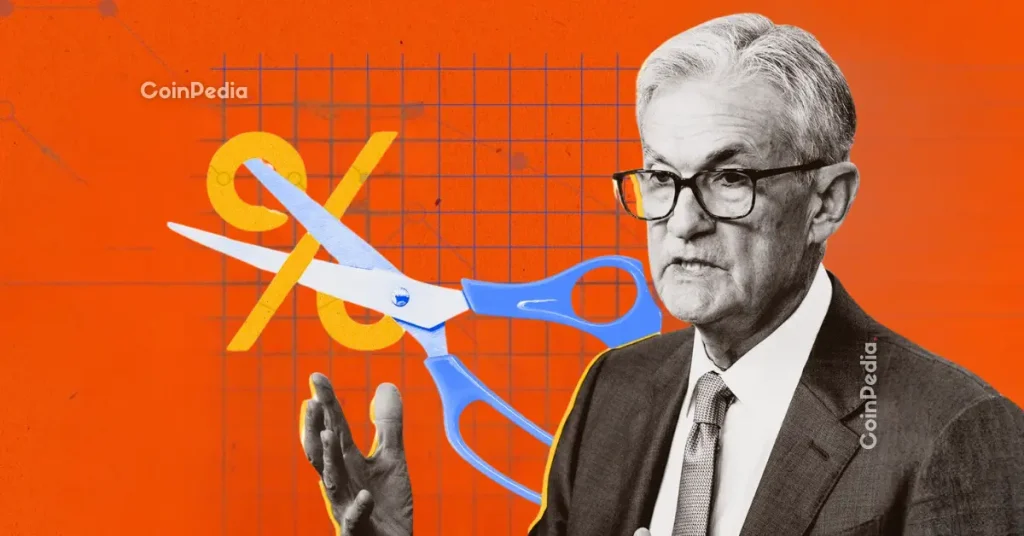
The Iran war pushed oil to $115, forcing markets to cut expectations from four Fed rate cuts to just one. The Federal Reserve kept rates at 3.50%–3.75%, as rising energy prices lifted inflation to around 3.0%.
This signals delayed rate cuts and tighter liquidity for risk assets, which often pressure Bitcoin and altcoins.
Why the Iran War Lowered Fed Rate Cuts?
Before the U.S-Israel and Iran conflict escalated, markets expected four rate cuts this year. But the war caused oil prices to jump to nearly $118 per barrel, keeping inflation high at around 3%, above the Fed’s 2% goal.
Because of this, the Fed decided to keep rates steady at 3.50%–3.75%.
Minutes from their March meeting show that Fed officials are taking a careful, “wait-and-see” approach. Some experts hope they can lower rates later if inflation drops
Fed officials also warned that higher oil prices from Middle East tensions could push short-term inflation higher, making it harder to reduce rates safely.
Ceasefire Pushes Oil Lower, Bitcoin Price Stalls
After a two-week ceasefire, oil dropped from $115 to below $95. This reduces inflation pressure and may bring rate cuts back into discussion. If oil stays low, markets may again price in easier policy.
For crypto, this creates short-term uncertainty. Bitcoin price may struggle to break higher without clear signals of rate cuts.
In past cycles, similar setups have pressured Bitcoin.
- In 2022, when the Fed paused cuts and kept rates high, Bitcoin fell below $20,000.
- In 2023, expectations of delayed cuts kept BTC range-bound for months.
- On the flip side, when rate cuts were priced in mid 2025, Bitcoin jumped sharply above $100,000.
This shows how strongly crypto reacts to Fed policy shifts.
What Happens Next?
Several factors will decide the outcome, but as of now, CME data shows traders remain cautious. Only 25.4% expect a rate cut in December, while 99.5% see no change for April.
However, now all eyes are on tomorrow’s April CPI data to show whether the oil shock is fading. If inflation drops, rate cut expectations may rise for further months.
Additionally, leadership changes at the Fed could also matter. Jerome Powell is expected to leave in May, with Kevin Warsh seen as more supportive of lower rates.